
"coffee farming policy"
700 article(s) found

Costa Rica Central Valley | Finca Dona Daisy Donna Daisy Farm Red Honey treats Rose Summer
Professional coffee knowledge exchange more coffee bean information please follow the coffee workshop (Wechat official account cafe_style) Costa Rica Central Valley | Finca Dona Daisy Donna Daisy Farm Red Honey processing Rose Summer Flavor? Donna Daisy Farm (Finca Dona Daisy) is located in San Jose, a canyon producing area in central Costa Rica, at 1700 above sea level.

A brief introduction to the coffee farm in Papua New Guinea
The coffee industry plays an important role in the country's economy. 1 million people are directly and indirectly engaged in the industry. * * encourage planting by offering a minimum purchase price. The industry itself is controlled by the Coffee Industry Committee. The committee is located in Goroca, east of Mustard Island, but the export business is handled by private companies. After 1991, the quality gradually declined, and the European market was lost.
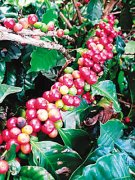
Papua New Guinea Coffee comes from small local farm boutique coffee.
The legendary background of modern coffee. In PapuaNewGuinea, about 75 per cent of coffee products come from small local farmers

Chinese coffee has experienced a low period of national macro-adjustment.
In August 1960, the CPC Central Committee put forward the eight-character policy of readjusting, consolidating, enriching, and improving, and once again stressed the need to shorten the capital construction front. It was only after the 7,000-member meeting was held in early 1962 that the Central Committee gradually agreed. In April 1962, after the Central Financial and Economic Group approved and transferred the report of the Central Financial and Economic Group on discussing the 1962 adjustment plan, it was only after the Central Committee of the Central Committee of Finance and Economics approved and transferred the report of the Central Financial and Economic Group on the discussion of the 1962 adjustment plan that the problem that the infrastructure front had been too long for many years was taken seriously.

About 75% of Papua New Guinea's coffee products come from small local farms.
The legendary background of modern coffee in Papua New Guinea is in Papua New Guinea (Papua New Guinea), where about 75% of coffee products come from small local farmers.

Small organic farms in Papua New Guinea grow island coffee style
Boutique coffee (specialty coffee) is also called specialty coffee selection coffee. It refers to coffee made from a small number of raw beans with excellent taste grown in an ideal geographical environment. Depending on the special soil and climatic conditions in which they grow, they have outstanding flavor. After strict selection and classification, this kind of coffee is hard in texture, rich in taste and stylish.
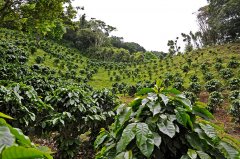
About 75% of Papua New Guinea's coffee products come from small local farms.
Coffee made from fine coffee beans. Now the coffee is mainly made by hand-brewing coffee to give full play to the flavor of the coffee bean itself. Boutique coffee does not have a bad effect on people's health, but drinking it in moderation is beneficial. In PapuaNewGuinea, about 75 per cent of coffee products come from small local farmers

75% of the coffee-producing countries come from the coffee-producing areas of Papua New Guinea on small farms.
However, it is almost inevitable that the surge in production leads to a decline in quality. Before 1991, the quality of coffee was good, and most of it belonged to open Y and so on. After 1991, the quality gradually declined, and then the European market was lost.

Description of Historical and Cultural Origin and Flavor of Chinese Coffee cultivation introduction of Grinding scale varieties
Description of the Historical and Cultural Origin of Coffee in China Flavor description Grinding scale Variety introduction Coffee production in Yunnan Province has been developed since the mid-1950s, mainly planted in Shuangjiang Farm and Dehong Sub-Bureau in Lincang area, covering an area of 18.67 hectares. it is also planted in small areas in Shaofang, Hekou, Lujiang, Jinghong, Olive Dam and other fields. Since 1957, the local environment is suitable for coffee growth.

Coffee producing area of Papua New Guinea, an European coffee producing country
After 991, the quality gradually declined, and the European market was lost with it.

Introduction to Paradise Bird Manor in Papua New Guinea Coffee Manor
After 1991, the quality gradually declined, and then the European market was lost.
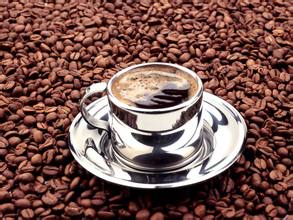
Boutique Coffee Papua New Guinea Coffee Manor
The legendary background of modern coffee. In Papua New Guinea, about 75 per cent of coffee products come from small local farmers
Boutique coffee Papua New Guinea Coffee treatment method
The legendary background of modern coffee. In PapuaNewGuinea, about 75 per cent of coffee products come from small local farmers

Why is the coffee industry in El Salvador struggling?
Following Cafe Review (Wechat official account vdailycom) found that Beautiful Cafe opened a small shop of its own. Why is the coffee industry in El Salvador struggling? In addition to the industrial recession caused by the national economic structure, there are also some other industries themselves. We focus on the following key factors. 1. Fragile national policy, from a historical point of view, El Salvador

Large and small local farm areas of Papua New Guinea Coffee Black Coffee
The term "fine coffee" was first put forward by Ms. Knudsen of the United States in Coffee and Tea magazine. At that time, Ms. Knudsen, as a coffee buyer at B.C. Ireland in San Francisco, was very dissatisfied with the neglect of the quality of raw coffee in the industry, and even some big roasters mixed a large amount of Robesda beans in the comprehensive beans, so she put forward the concept of boutique coffee.

Introduction to Paradise Bird Manor in Papua New Guinea Coffee Manor
The government's response is to establish a new level of quality, temporarily suspend the production of coffee such as Y, and no longer implement the policy of one grade and one price. This allows buyers to price according to quality, which is bound to have an impact on the income of farmers who produce shoddy coffee beans. By 1993, the quality problem had been basically solved. Most regular customers are buying coffee from Papua New Guinea again. Y Coffee
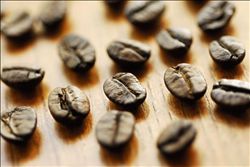
Boutique Coffee Papua New Guinea Coffee Manor Kimmel Manor
The legendary background of modern coffee. In Papua New Guinea, about 75 per cent of coffee products come from small local farmers
Boutique Coffee Papua New Guinea Coffee Manor Kimmel Manor
The legendary background of modern coffee. In PapuaNewGuinea, about 75 per cent of coffee products come from small local farmers

Papua New Guinea Coffee Manor Paradise Bird Manor introduces boutique coffee beans
The government's response is to establish a new level of quality, temporarily suspend the production of coffee such as Y, and no longer implement the policy of one grade and one price. This allows buyers to price according to quality, which is bound to have an impact on the income of farmers who produce shoddy coffee beans. By 1993, the quality problem had been basically solved. Most regular customers are buying coffee from Papua New Guinea again. Y Coffee
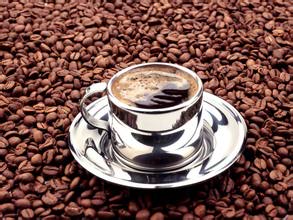
Boutique coffee Papua New Guinea coffee beans coffee coffee practice
The legendary background of modern coffee. In Papua New Guinea, about 75 per cent of coffee products come from small local farmers